Terraform
IaC
DevOps
Cloud
Best Practices
Infrastructure as Code with Terraform: Best Practices for Enterprise Teams
Rocambys Team12 March 20264 min read
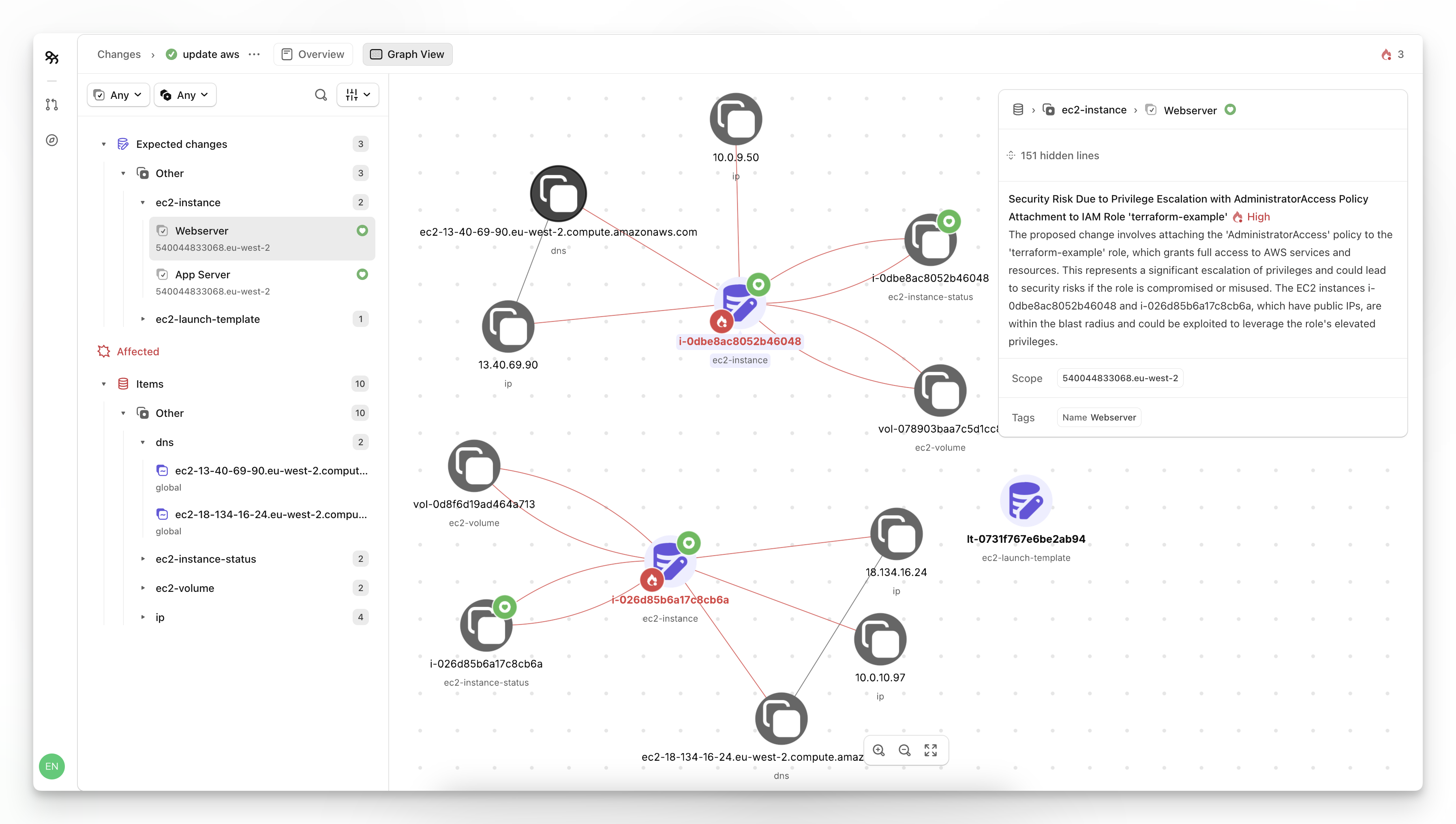
Why IaC Matters
Infrastructure as Code is the foundation of modern cloud operations. Without it, environments drift, changes are unauditable, and disaster recovery is guesswork. Terraform, with its provider ecosystem covering AWS, Azure, GCP, and hundreds of other services, has become the industry standard.
Repository Structure
How you organize Terraform code determines how maintainable it will be at scale:
- Monorepo vs. polyrepo — For most organizations, a monorepo with clear directory boundaries works best. It simplifies module sharing and code review.
- Environment separation — Use workspaces or separate state files per environment (dev, staging, production). Never share state between environments.
- Module structure — Reusable modules in a /modules directory, environment-specific configurations in /environments.
State Management
Terraform state is the single most critical artifact in your IaC setup:
- Remote state — Always use remote backends (S3 + DynamoDB for locking on AWS). Never commit state files to git.
- State isolation — Separate state files per service or domain. A single monolithic state file becomes a deployment bottleneck.
- State locking — Enable locking to prevent concurrent modifications. DynamoDB tables for S3 backend, built-in for Terraform Cloud.
- State backups — Enable versioning on S3 state buckets. State corruption without backups is a catastrophic event.
Module Design Principles
- Single responsibility — Each module manages one logical resource group (VPC, EKS cluster, RDS instance).
- Explicit inputs and outputs — No hardcoded values inside modules. Everything configurable via variables.
- Version pinning — Pin module versions and provider versions. Unpinned dependencies cause non-reproducible builds.
- Documentation — README.md for every module with usage examples. Use terraform-docs for auto-generated documentation.
CI/CD Pipeline for Terraform
A robust Terraform CI/CD pipeline includes:
- terraform fmt — Enforce consistent formatting on every commit.
- terraform validate — Catch syntax errors before plan.
- terraform plan — Generate and review the execution plan. Require approval for production changes.
- tflint — Static analysis for common mistakes and best practice violations.
- checkov / tfsec — Security scanning for misconfigurations (open security groups, unencrypted storage).
- Cost estimation — Infracost integration to show cost impact of changes before apply.
Common Anti-Patterns
- Clickops then import — Creating resources manually and importing them into Terraform creates drift-prone configurations.
- Over-abstraction — Modules that wrap a single resource add complexity without value.
- Ignoring drift — Running terraform plan regularly (even without changes) to detect drift is essential.
- Massive apply batches — Keep blast radius small. Apply changes incrementally, not in 500-resource plans.
Conclusion
Terraform is only as good as the practices surrounding it. Invest in proper structure, state management, and CI/CD from the beginning. The cost of retrofitting these practices later is an order of magnitude higher.